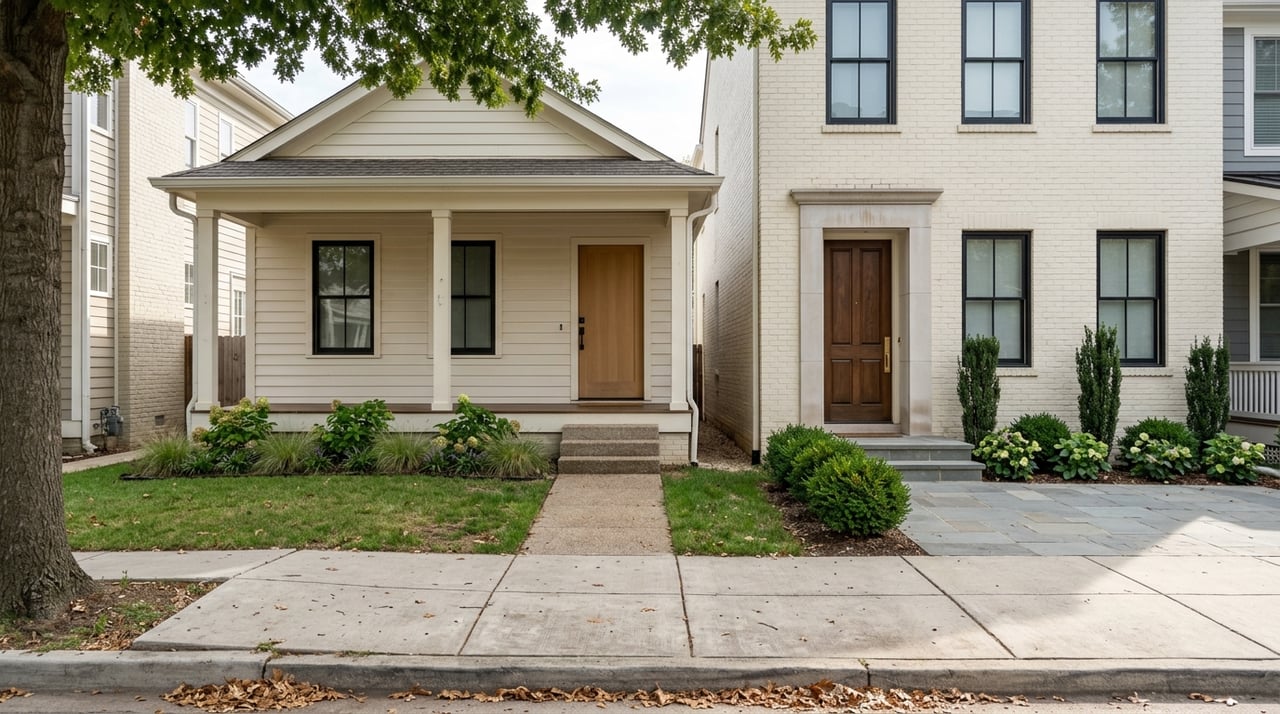
Understanding Plaza Midwood’s Mix Of Homes And Townhomes
June 25, 2026
June 25, 2026
Wondering why one Plaza Midwood showing might be a 1920s bungalow with a deep front porch, while the next is a modern townhome with a two-car garage? You are not imagining the contrast. Plaza Midwood has one of Charlotte’s most varied housing mixes, and that variety can be exciting and a little confusing when you are trying to decide what fits your lifestyle, budget, and long-term plans. This guide will help you make sense of the neighborhood’s homes, townhomes, price ranges, and day-to-day tradeoffs so you can shop with more clarity. Let’s dive in.
Plaza Midwood did not grow as one uniform development. It began as a streetcar suburb in the early 1900s and came together from multiple subdivisions over time, which helps explain why the neighborhood can shift so much from block to block.
The Plaza serves as the neighborhood’s main spine, but the housing around it is far from one-note. According to the City of Charlotte, Plaza Midwood has the most varied architecture of the city’s historic districts, and only about 14 percent of the neighborhood is inside the local historic district.
That means you are not looking at a place where every home follows the same style, lot pattern, or timeline. Instead, you will see a layered neighborhood with older cottages, classic bungalows, mid-century homes, and newer infill townhomes all in the same broader area.
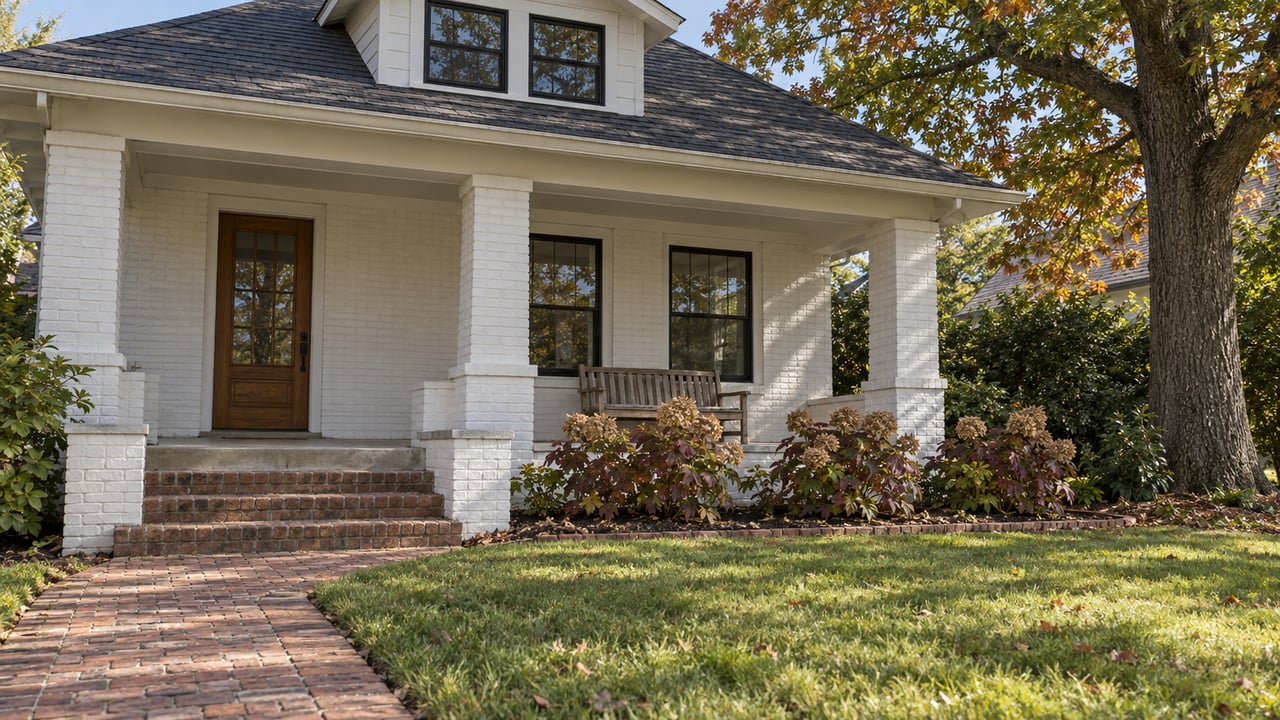
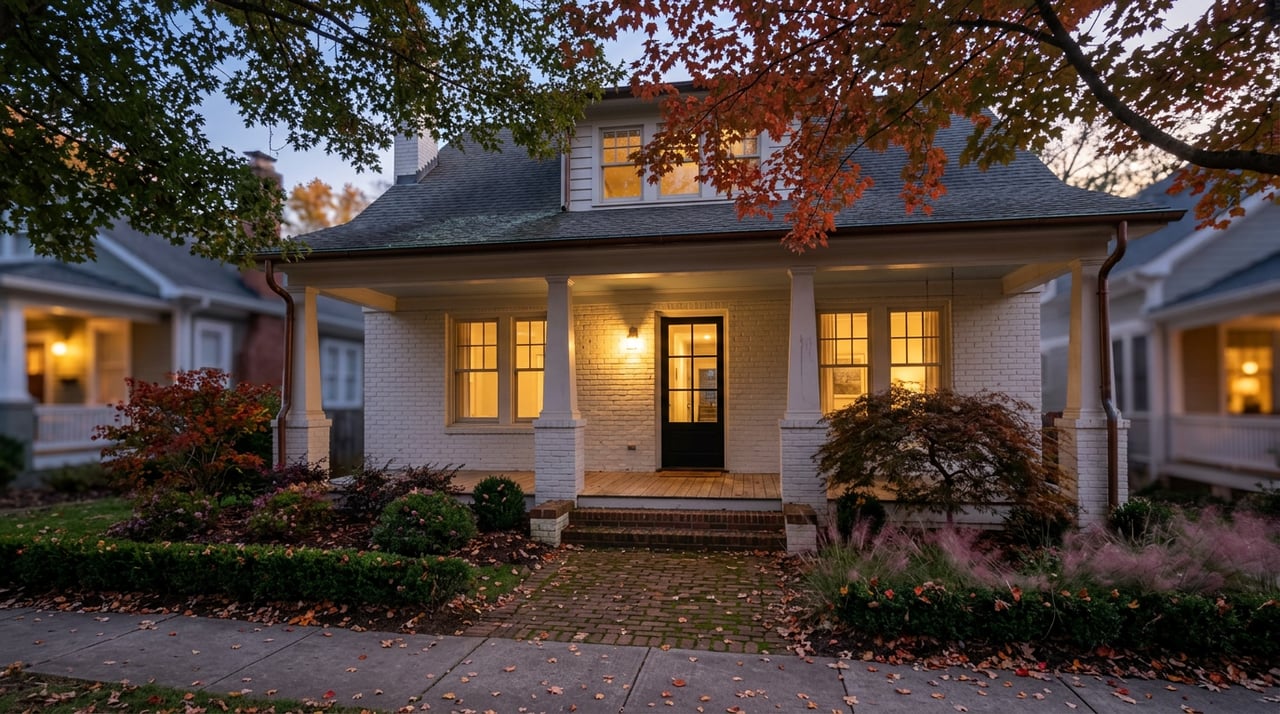
If you picture Plaza Midwood, this is often the housing style that comes to mind first. The older sections include one-story Victorian cottages and 1920s bungalows, often on compact lots with front porches and the kind of character details that draw buyers to close-in Charlotte neighborhoods.
These homes are concentrated on earlier-developed streets, especially in the Oakhurst blocks, which Historic Charlotte identifies as having some of Plaza Midwood’s oldest dwellings. If you love original charm, walkability, and homes with a strong sense of identity, this segment is often where your search starts.
Pricing in this category can vary quite a bit. Current examples on The Plaza show that older homes can range from roughly the low $700,000s into the low $1 millions, depending on the lot, condition, renovation level, and exact location.
Townhomes show the neighborhood’s newer, denser side. Current listings suggest a smaller but meaningful townhome segment, with Redfin showing three homes for sale and a median townhouse list price around $768,000.
These properties often appeal to buyers who want a more modern layout and less exterior upkeep. Current examples include a new end-unit townhome priced around $910,000 with 3 bedrooms, 3.5 baths, and a 2-car garage, as well as another modern townhome around $735,000.
In practical terms, townhomes often trade yard space for convenience. If you want newer construction, attached parking, and more turnkey day-to-day living, this product type may feel like a strong fit.
Plaza Midwood is not only about bungalows and townhomes. The neighborhood also includes mid-20th-century family homes and larger-lot properties, especially on streets such as Mecklenburg and Belvedere and near the Country Club edge.
Historic Charlotte notes that these later-developed sections introduced Colonial Revival, Tudor Revival, and Ranch-era homes on larger lots. For buyers who want more square footage, a broader homesite, or a different architectural profile, this part of the neighborhood can open up another lane entirely.
One of the biggest practical distinctions in Plaza Midwood is whether a home sits inside the local historic district. Since only about 14 percent of the neighborhood falls within that district, this is a property-specific detail worth checking early.
In Charlotte local historic districts, exterior changes require a Certificate of Appropriateness before work begins. That can include updates involving windows, doors, fencing, tree removal, or building a new structure.
For buyers, this does not mean a historic district home is harder to own. It does mean you should go in with a clear understanding of what future updates may require, especially if you are drawn to renovation projects or exterior design changes.
Plaza Midwood is not a one-price neighborhood. Different market snapshots measure different things, but together they point to a broad mid-$800,000s to near-$1 million market rather than one fixed number.
As of spring 2026, Redfin reported a median sale price of $810,000. Zillow reported a typical home value of $850,359 and a median list price of $881,167, while Realtor.com reported a median listing price of $877,500 and a median sold price of $975,000.
For many buyers, the more useful takeaway is how pricing tends to cluster by property type:
These are not fixed rules. They are practical bands based on recent listing examples and neighborhood patterns.
A classic Plaza Midwood house may suit you if character matters most. Front porches, mature streetscapes, older architecture, and more distinct design details are often the reason buyers choose this path.
You may also prefer a detached home if you want more separation from neighbors or the possibility of a private yard. That said, older homes usually come with more maintenance planning, especially when it comes to aging systems and preservation-minded updates.
A townhome may be the better match if you want a simpler day-to-day experience. Many buyers are drawn to newer finishes, more contemporary floor plans, and parking that feels easier than what you may find on some older blocks.
This option can be especially appealing if you want Plaza Midwood’s energy without taking on as much exterior upkeep. For some buyers, that balance of location, convenience, and lower-maintenance living is the main value.
Plaza Midwood has a more urban feel than a purely residential neighborhood. The neighborhood association describes The Plaza as a tree-lined spine, and the City of Charlotte identifies Plaza Midwood as the city’s only approved social district, operating daily from 10 AM to 10 PM within district boundaries.
That activity is part of the neighborhood’s appeal, but it also shapes daily logistics. Parking is not as uniform as it tends to be in newer suburban areas, and garage access can vary widely by block and by property type.
The City of Charlotte manages on-street parking on Commonwealth Avenue in Plaza Midwood. More broadly, the neighborhood’s streetcar-suburb roots help explain why some homes rely on street parking or site-specific driveways, while newer townhomes and infill projects often include attached garages.
Because the housing mix is so broad, it helps to compare homes through a few clear filters instead of treating the whole neighborhood as one category.
As you tour, pay close attention to:
This kind of side-by-side comparison can make your decision much clearer. In a neighborhood like Plaza Midwood, the right fit is often less about one headline price and more about matching the property style to how you actually want to live.
If you are weighing charm against convenience, or renovation potential against turnkey ease, a thoughtful neighborhood-level strategy matters. Working with an advisor who understands design, construction, and block-by-block differences can help you move with more confidence. When you are ready to explore Plaza Midwood with a more tailored plan, connect with Jessica Grier.

Decide What You Want From the Membership


Whether advising on an in-town estate, a new luxury build, or an investment opportunity, Jessica offers discretion, distinction, and results. Work with Jessica Today!