Living in Chantilly Charlotte: What to Expect
May 28, 2026
May 28, 2026
Wondering what it’s really like to live in Chantilly? If you want a close-in Charlotte neighborhood with history, charm, and easy access to some of the city’s most popular nearby districts, Chantilly deserves a closer look. This guide will help you understand the neighborhood’s setting, housing style, outdoor spaces, and everyday lifestyle so you can decide if it feels like the right fit. Let’s dive in.
Chantilly is in Charlotte’s East Inner area, where it is grouped with nearby places like Elizabeth, Midtown, Commonwealth Park, Rosemont, and Grier Heights by Charlotte-Mecklenburg Historic Landmarks. That location gives it a close-in feel without placing it in the middle of a dense commercial corridor.
A North Carolina preservation report describes Chantilly as a transitional east-side neighborhood that bridges Charlotte’s early streetcar suburbs and the city’s postwar expansion. In simple terms, that means the neighborhood reflects more than one era of Charlotte’s growth, which helps explain its layered character today.
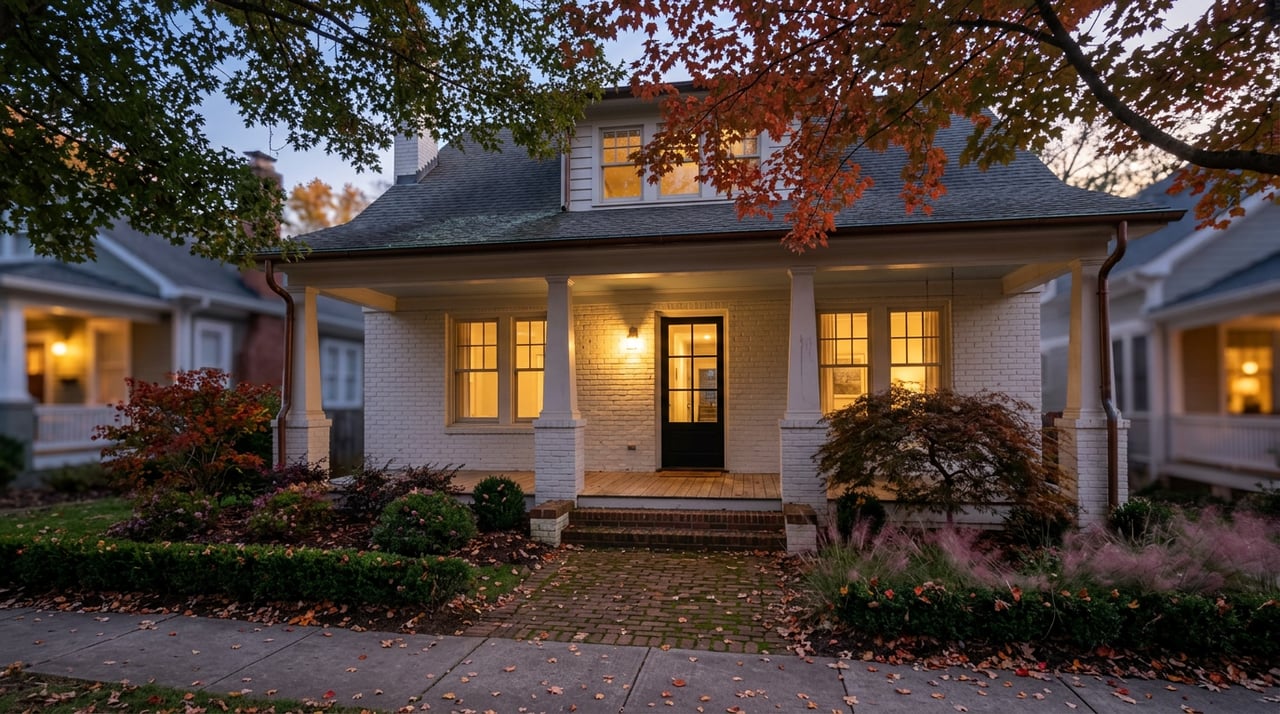
Chantilly was originally platted in 1913, but most of its housing was built in the 1940s. The neighborhood still carries many of the visual cues people often associate with established Charlotte neighborhoods, including tree-lined streets and a steady rhythm of homes along the block.
At the same time, Chantilly is not frozen in one moment. Later infill and home changes have altered some of the original pattern, so the neighborhood feels lived-in and evolving rather than highly uniform.
That balance is part of the appeal for many buyers. You get a setting with roots and personality, but also a streetscape that reflects updates and change over time.
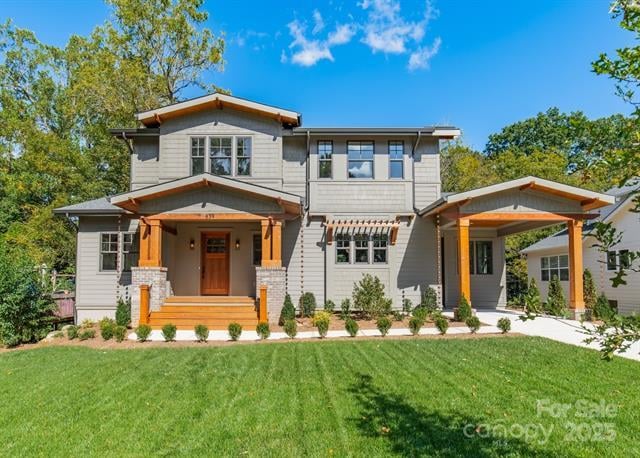
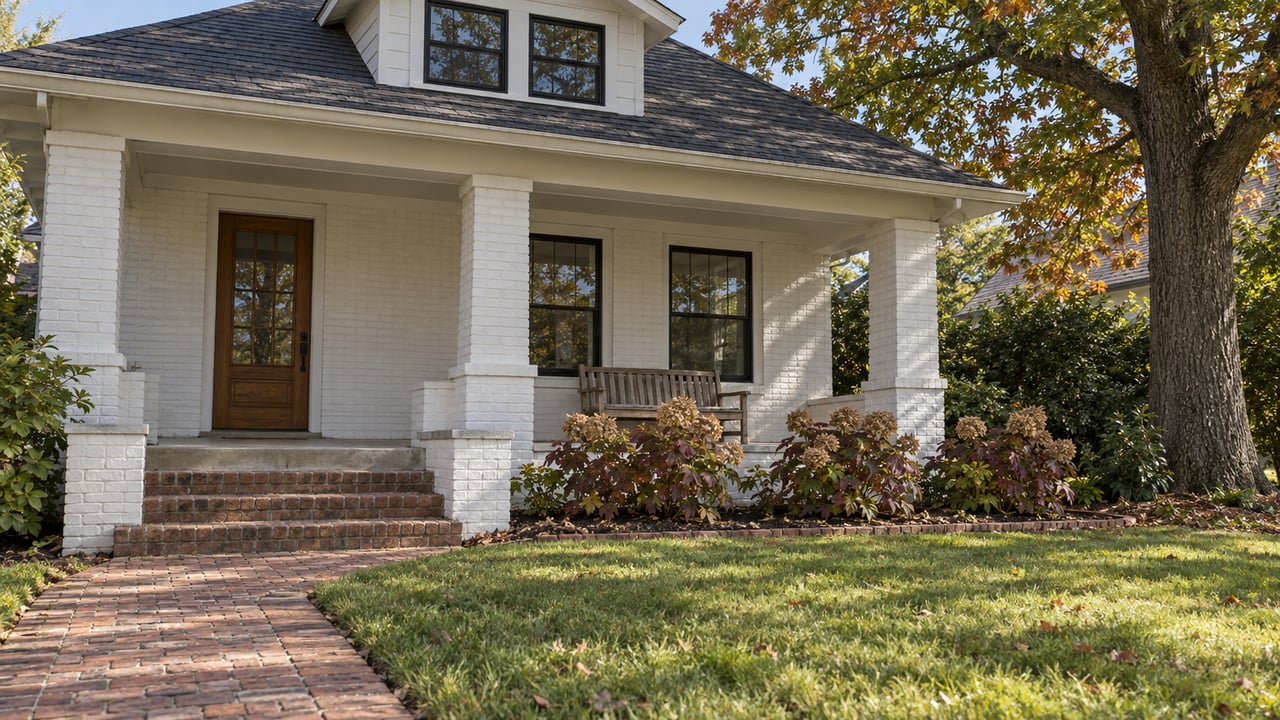
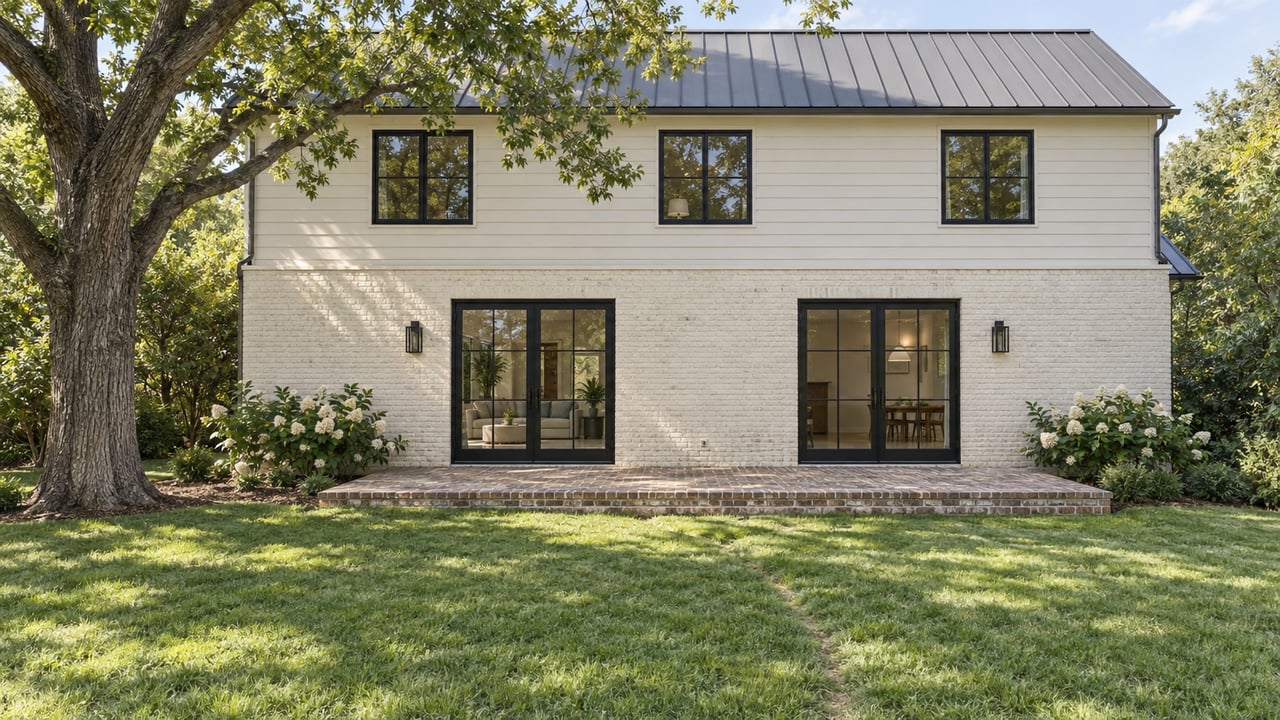
One of Chantilly’s strongest identity markers is its housing mix. Preservation materials describe a core of modest one-story brick houses from the late 1930s and 1940s, while the Chantilly Neighborhood Association notes that the neighborhood also includes original homes, renovations, and new builds.
For you as a buyer, that usually means more variety from block to block. Instead of a neighborhood where every home looks nearly the same, Chantilly offers a broader mix of age, scale, and design expression.
That variety can be a real advantage if you are comparing options like:
It also means two homes in the same neighborhood can offer very different living experiences. In Chantilly, it often makes sense to evaluate each property on its own merits, from layout and updates to lot use and overall design.
Chantilly tends to appeal to buyers who care about neighborhood feel as much as square footage. The tree canopy, established streets, and mix of homes create a setting that feels residential and rooted.
Because the neighborhood includes originals, renovations, and newer construction, the overall look is more layered than master-planned. For some buyers, that is exactly the draw. It feels personal, not overly polished.
For others, that same variety can feel less predictable. If you prefer a neighborhood with tighter visual consistency, Chantilly’s evolving streetscape is something worth noticing during your search.
Chantilly appears to have a strong neighborhood-scale social life. The Chantilly Neighborhood Association promotes recurring events such as a home tour, beautification day, yard sale, neighborhood meetings at Chantilly Park, and family-oriented gatherings like an Easter egg hunt.
That kind of event calendar suggests a neighborhood where residents stay involved and where local identity is visible. You may not be moving into a place with a big commercial center, but you are moving into a place with signs of community organization and participation.
Outdoor access also adds to the neighborhood’s appeal. The City of Charlotte has hosted cleanup events at Chantilly Ecological Sanctuary on Briar Creek, highlighting the area’s connection to local green space and stewardship.
Planning materials from city and county sources also point to a future Briar Creek Greenway extension. The goal is to provide an alternate transportation route to area amenities, including Veterans Park and Chantilly Park.
Chantilly works especially well as a residential home base. It is the kind of neighborhood where the value often comes from your surroundings, your streetscape, and your access to nearby destinations rather than from a dense retail core within the neighborhood itself.
That distinction matters. If you want to step out your front door into a highly commercial setting, Chantilly may not be the match. If you want a quieter residential setting with nearby options when you want to dine out, run errands, or meet friends, it makes a lot of sense.
In many ways, Chantilly offers a practical middle ground. You get an established neighborhood environment while still staying close to some of Charlotte’s most active adjacent districts.
A big part of Chantilly’s lifestyle appeal comes from what is nearby. The City of Charlotte describes Plaza Midwood as the city’s first social district and a “10-minute neighborhood” with small businesses across sectors, plus arts, fashion, cuisine, and nightlife.
A city social-district map also notes a “Chantilly alcove” along Central Avenue and Pecan Avenue. That overlap helps show why Chantilly residents often benefit from proximity to Plaza Midwood activity without living in the center of it.
Elizabeth adds another layer of convenience. Charlotte’s Gold Line streetcar connects Center City to Elizabeth, and the city’s on-street parking program covers Elizabeth and Commonwealth Avenue in Plaza Midwood, which can help make short outings more manageable once you leave Chantilly’s quieter residential streets.
For many buyers, this is one of the neighborhood’s strongest lifestyle advantages. You can enjoy an established residential setting while staying close to restaurants, small businesses, and everyday destinations in nearby districts.
Based on the neighborhood’s character, Chantilly may be especially appealing if you want historic character, architectural variety, outdoor access, and a visible sense of community. It is often a strong match for move-up buyers and relocators who want to be close to the heart of Charlotte without sacrificing neighborhood feel.
If you are design-conscious, Chantilly can also be compelling because the housing stock is not one-note. You may find original details, thoughtful renovations, or newer homes that bring a different take on in-town living.
For sellers, the neighborhood’s established identity can also help tell a stronger story. Features like home updates, preserved character, outdoor living areas, and overall design presentation may stand out even more in a neighborhood where individuality is part of the appeal.
Every neighborhood has a tradeoff, and in Chantilly, that tradeoff is tied to variety. The mix of original homes, renovations, newer builds, and later infill makes the neighborhood feel layered rather than uniform.
Many buyers see that as a positive because it adds personality and keeps the neighborhood from feeling generic. Others may see it as a sign that the area is still changing.
Neither view is wrong. The key is knowing your own priorities before you start touring homes. If consistency matters most, you will want to pay close attention to block-by-block differences. If character and evolution matter more, Chantilly may feel especially appealing.
Chantilly stands out because it offers something increasingly hard to find in close-in neighborhoods: a sense of history, a residential streetscape, and easy access to nearby Charlotte destinations, all at once. It feels established, but not overly formal. It feels connected, but not crowded.
That combination gives the neighborhood broad appeal. Whether you are relocating, moving up, or simply narrowing your options in Charlotte, Chantilly is worth considering if you value charm, proximity, and a more personal neighborhood feel.
If you are thinking about buying or selling in Chantilly, having the right guidance can make it much easier to compare homes, understand block-by-block differences, and evaluate how a property fits your lifestyle goals. For tailored advice on Chantilly and other close-in Charlotte neighborhoods, connect with Jessica Grier.

Decide What You Want From the Membership



Whether advising on an in-town estate, a new luxury build, or an investment opportunity, Jessica offers discretion, distinction, and results. Work with Jessica Today!