Elizabeth Charlotte Neighborhood Guide for Buyers
June 4, 2026
June 4, 2026
Looking for a Charlotte neighborhood that feels rooted and connected at the same time? Elizabeth stands out for exactly that reason. If you want historic character, close-in access, and a neighborhood setting that still feels active and relevant today, this guide will help you understand what makes Elizabeth so appealing. Let’s dive in.
Elizabeth is one of Charlotte’s classic close-in east-inner neighborhoods, located about one mile east of Trade and Tryon. Historic city materials describe it as Charlotte’s second streetcar suburb, and that origin still shapes how the neighborhood feels today.
The area grew from five late-19th- and early-20th-century subdivisions: Highland Park, Piedmont Park, Oakhurst, Elizabeth Heights, and Rosemont. Even with change over time, Elizabeth remains largely residential in character, with Independence Park serving as its principal open space.
That balance is a big part of the neighborhood’s appeal. You get a location that stays tied to city life while still feeling more settled than the center city itself.
Elizabeth’s streetscape is not one-note. The neighborhood includes flat and elevated lots, sloping streets, and a mix of grid and curving street patterns. Some side streets even meet the main avenues at oblique angles, which adds to the area’s layered, established feel.
This is the kind of neighborhood where the public realm matters as much as the homes. Trees line many residential streets, and the combination of topography, shade, and older street planning gives Elizabeth a calmer pace than you might expect from such a central location.
The historic district also reflects the infrastructure that helped build early Charlotte. The Trolley Walk, for example, remains a rare remnant of the city’s early streetcar system and helps tell the story of how the neighborhood came together.
If you are drawn to architecture, Elizabeth offers a lot to notice. In the historic district, most principal buildings were built between 1900 and 1941, and about 78% are single-family houses or small multi-family dwellings.
The housing mix is part of what gives Elizabeth its texture. Alongside detached homes, the neighborhood includes duplexes, triplexes, quadruplexes, and small apartment buildings from the 1920s and 1930s. According to the historic report, that level of small multi-family housing is unusually abundant for North Carolina.
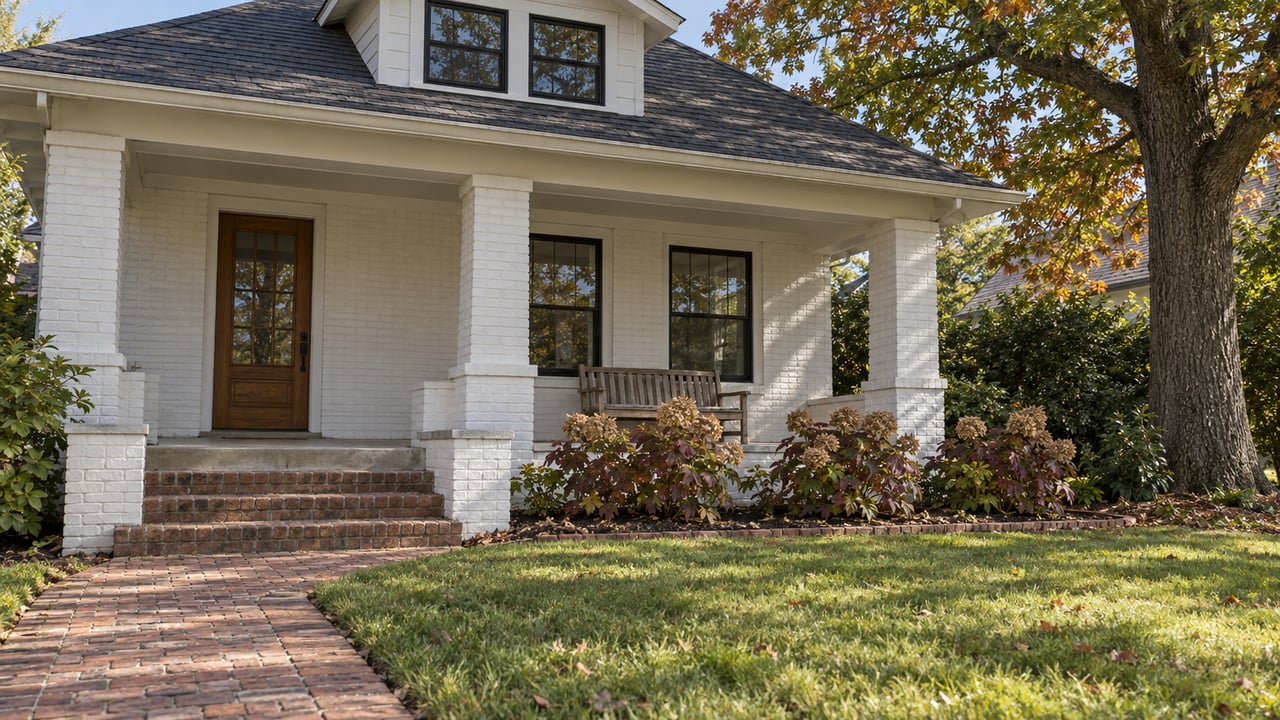
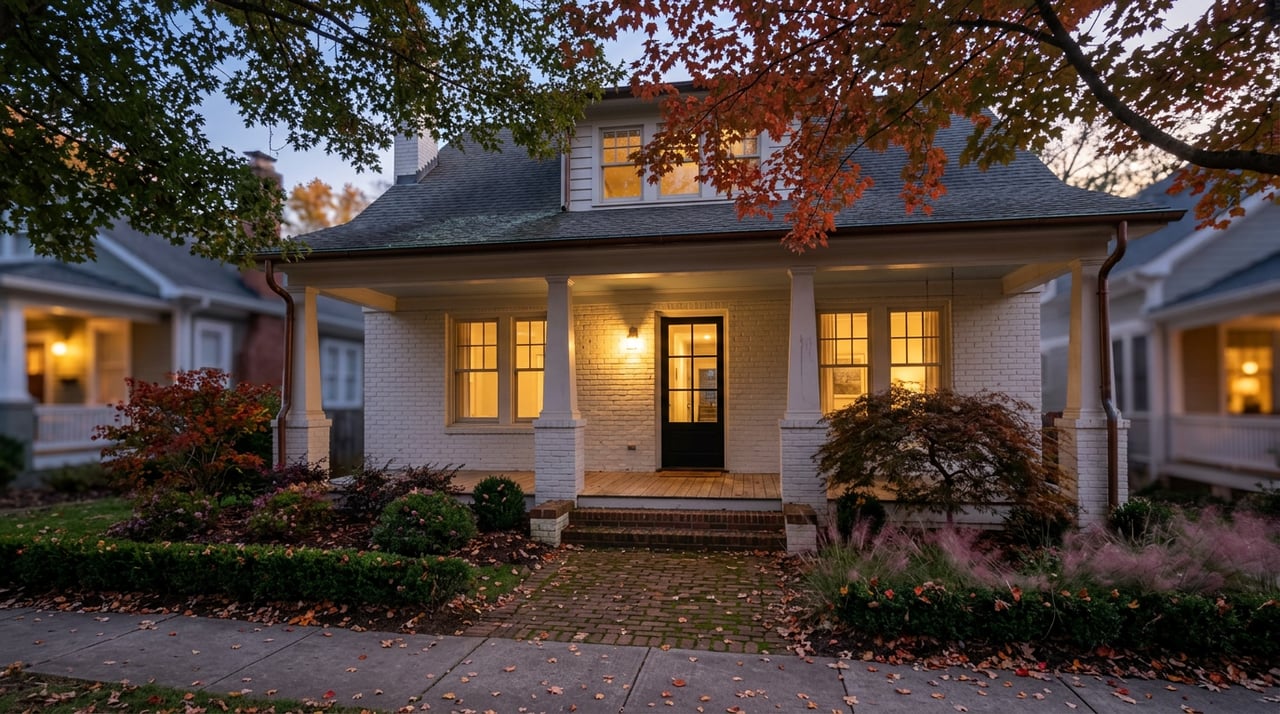
Architecturally, the dominant residential styles include Craftsman, Bungalow, Colonial Revival, and Tudor Revival. You will also see Gothic Revival and Neoclassical Revival influences more often in churches and larger institutional buildings.
A few landmarks help illustrate the neighborhood’s long history. The William Henry Belk House on Hawthorne Lane and the R. C. Biberstein House on Elizabeth Avenue are two examples that reflect the area’s early residential quality and architectural depth.
Historic charm matters, but so does how a neighborhood works for your everyday routine. Elizabeth is especially appealing because it combines its older residential fabric with practical access to key parts of Charlotte.
Charlotte Area Transit System says the Gold Line streetcar connects Historic West End through Center City to Elizabeth. Current Elizabeth stops include Elizabeth and Hawthorne, Hawthorne and 5th, 8th Street, and Sunnyside Avenue.
For buyers who want a more car-light lifestyle, that is a meaningful advantage. You can stay close to Uptown while still living in a neighborhood with a distinct residential identity.
Elizabeth also sits next to major medical and education anchors. Novant Health Presbyterian Medical Center is at 200 Hawthorne Lane, Atrium Health Mercy is at 2001 Vail Avenue, and Central Piedmont’s Central Campus is at 1201 Elizabeth Avenue.
That proximity adds daily convenience for many buyers and also helps explain the neighborhood’s energy. At the same time, the historic district report notes that expansion from hospitals and the college has affected some neighborhood edges, which is important context if you are comparing one part of Elizabeth to another.
In practical terms, location within the neighborhood matters. Some blocks feel especially intact and leafy, while others sit closer to institutional growth and more active corridors.
One of Elizabeth’s biggest strengths is that it still reads as a neighborhood rather than a purely commercial district. The historic report describes the area as largely residential in character, even after commercial development along some edges.
East Seventh Street is identified as a corridor where commercial pressure and office conversion have been strongest. That does not erase Elizabeth’s neighborhood feel, but it does create variation from one pocket to the next.
For you as a buyer, that means it helps to look closely at the exact block, street, and surrounding uses. Elizabeth is not frozen in time, and that is part of what makes it feel both established and current.
Independence Park is one of Elizabeth’s defining features. Mecklenburg County identifies it as Charlotte’s first and oldest public park, and its 2023 renovation reopened the space with a new 12-foot greenway connection linking the park to Hawthorne Lane and Little Sugar Creek Greenway.
That is more than a nice amenity. It gives the neighborhood real park infrastructure and stronger outdoor connectivity, which is increasingly valuable in a close-in urban setting.
The broader trail network adds another layer of convenience. Mecklenburg County says Little Sugar Creek Greenway runs more than 17 miles and is part of the Cross Charlotte Trail, helping support the walk-and-bike culture many buyers are looking for today.
Elizabeth tends to appeal to people who want more than a polished streetscape. It offers a layered residential setting where older homes, small multi-family buildings, parks, transit access, and nearby institutions all shape the daily experience.
That also means the neighborhood comes with nuance. Some areas remain deeply intact and shaded, while others reflect larger infill, institutional expansion, and edge redevelopment pressure.
If you value character and convenience in equal measure, that mix may be exactly the point. Elizabeth offers a close-in Charlotte lifestyle that feels established, usable, and hard to replicate in newer neighborhoods.
When you tour homes in Elizabeth, it helps to look beyond finishes alone. Pay attention to the street pattern, lot position, nearby uses, and how the block connects to parks, transit stops, and major corridors.
For design-conscious buyers, architectural style and renovation quality may be central to the decision. For relocation buyers or downsizers, ease of access to Uptown, medical centers, and greenway connections may carry more weight.
Because Elizabeth includes both historic fabric and newer change, there is no single version of the neighborhood. The right fit often comes down to how you want to balance charm, convenience, and block-by-block context.
If you are considering Elizabeth as part of your Charlotte home search, working with an advisor who understands neighborhood nuance can make the process much clearer. For tailored guidance on Elizabeth and other close-in Charlotte neighborhoods, connect with Jessica Grier.

Decide What You Want From the Membership


Whether advising on an in-town estate, a new luxury build, or an investment opportunity, Jessica offers discretion, distinction, and results. Work with Jessica Today!