
The Chantilly Shuffle: Why Chantilly's Median Price Won't Sit Still
September 3, 2026
September 3, 2026
Pull up three different real estate sites and search Chantilly, and you will get three different answers to the same question. One shows a median sale price around $864,000 for January 2026, down nearly 47 percent from the year before. Another shows the twelve-month median sitting closer to $1.05 million. A third, pulling from May 2026 data, puts the median above $1.35 million and rising. Same neighborhood, same quarter mile pocket between Elizabeth and Plaza Midwood, three numbers that don't agree with each other by hundreds of thousands of dollars.
If you are comparing Chantilly to another Charlotte neighborhood right now, this is the moment where most buyers just pick whichever number feels closest to their budget and move on. That is the wrong instinct. The real story here has nothing to do with which site has better data. It has to do with what kind of neighborhood Chantilly actually is, and why a single median was never going to describe it well.
Chantilly is small. Sales happen in small numbers, not the hundreds, in any given month. Redfin's own January 2026 figures show only 11 homes sold that month, up from just 5 the January before. When your sample size is that thin, one $2.3 million custom build closing in the same month as three modest bungalow sales can swing the median by six figures in either direction. That is not a market correcting itself. That is arithmetic doing what arithmetic does with a small number of data points.
This is the first thing worth understanding before you use Chantilly's median price to compare it against a larger, more liquid neighborhood. A median calculated from 40 or 50 monthly sales in a bigger submarket smooths itself out. A median calculated from 11 sales does not. The neighborhood isn't volatile. The math is just honest about how few transactions it has to work with.
The second reason the median misleads has nothing to do with sample size and everything to do with what's actually for sale. Chantilly's housing stock spans homes built between 1935 and 2026, with a typical build year sitting around 1951. That is not a rounding error. That is nine decades of construction sitting on the same streets, and it means "a home in Chantilly" can refer to two genuinely different products.
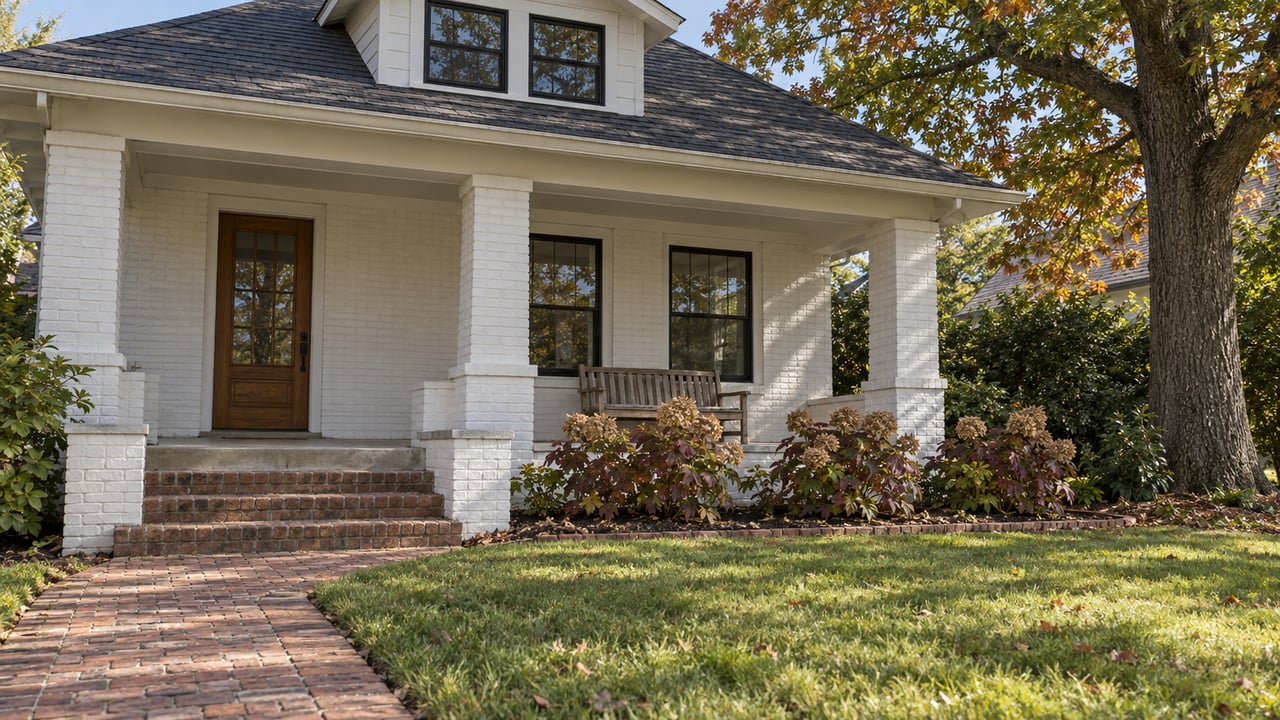
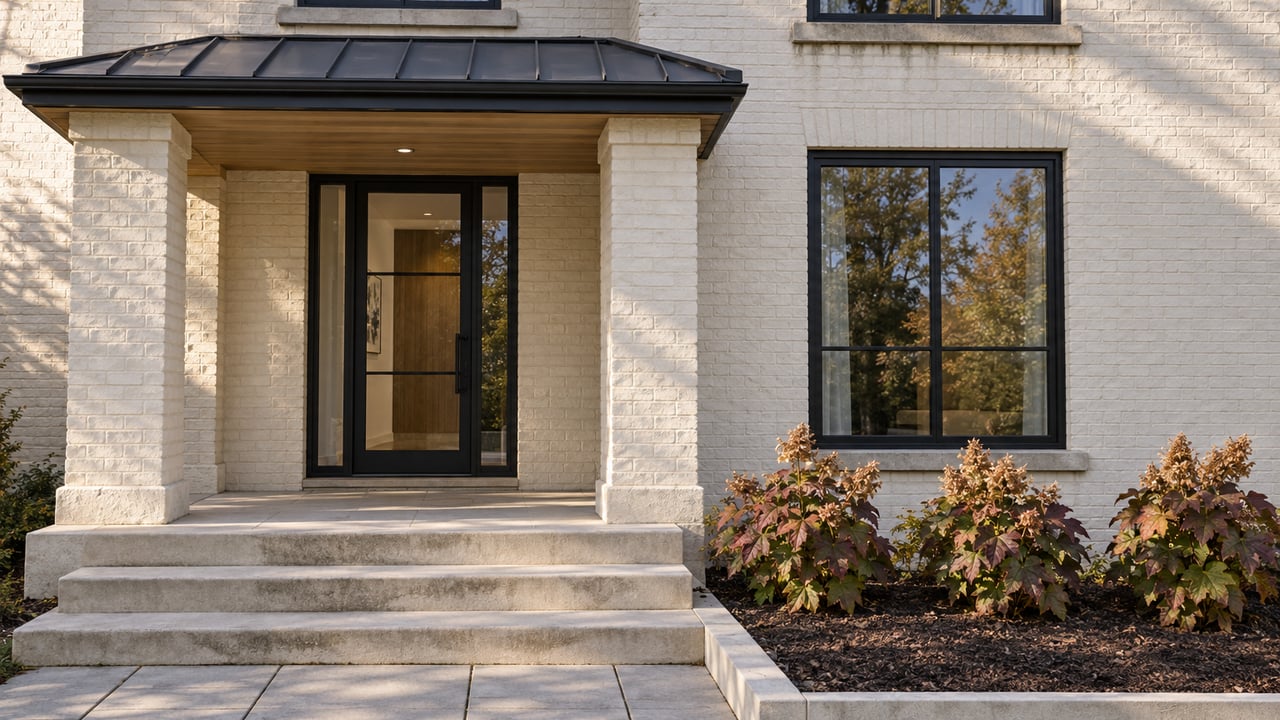
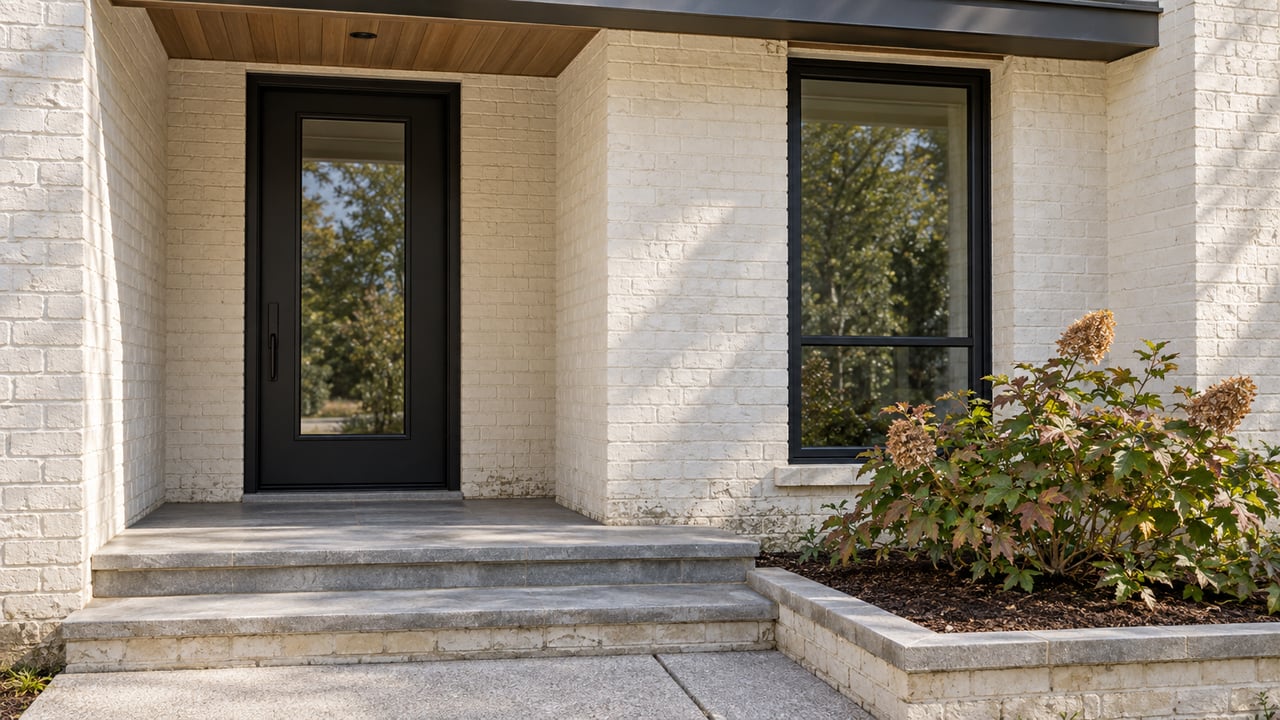
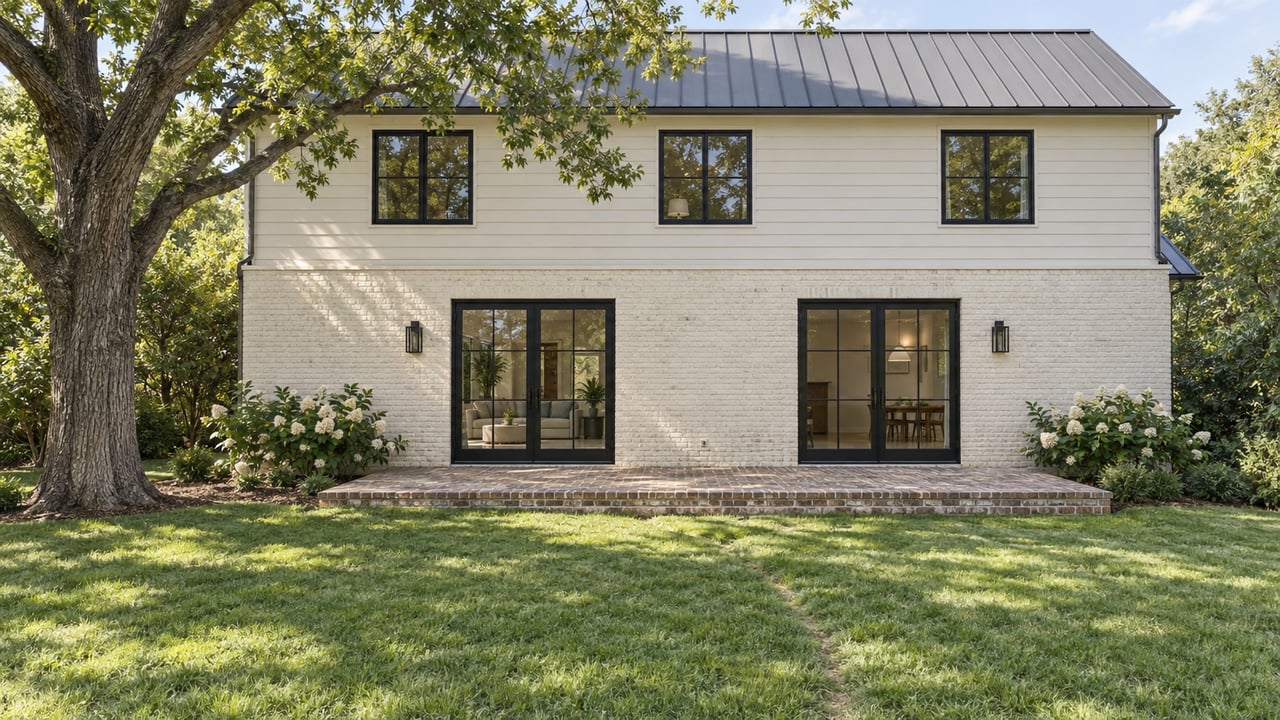
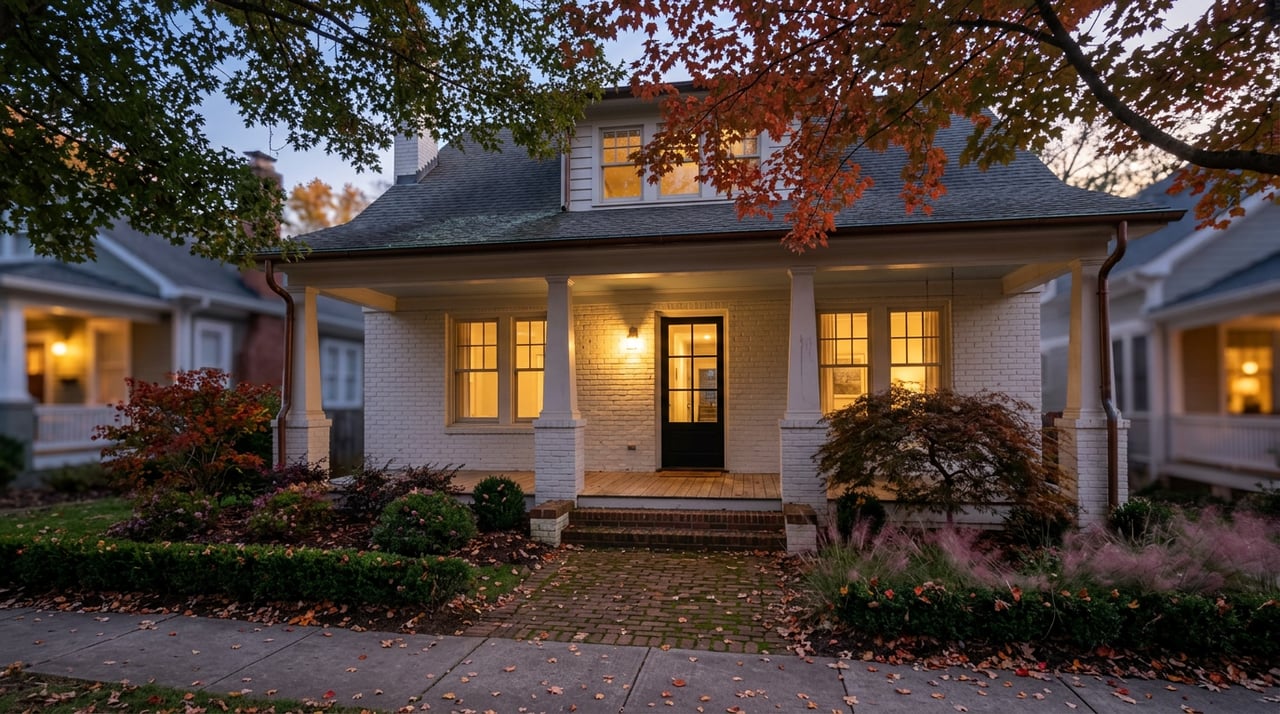
On one end: original Craftsman bungalows and brick cottages, many under 1,500 square feet, some still carrying their 1940s bones. On the other: modern infill construction that can run past 4,000 square feet with ten-foot ceilings, quartz counters, and scullery kitchens built for entertaining. Terra Vista's tracking of the subdivision shows single-family sales over the past year ranging from roughly $460,000 to $2.42 million, on lots between about 0.15 and 0.37 acres. One listing circulating this year described the split plainly: teardown-condition homes trading in the $540,000 to $620,000 range while a handful of new builds were pricing above $2 million, on the same streets, in the same neighborhood.
A single median folds both of those markets into one number and calls it Chantilly. It isn't wrong, exactly. It's just describing an average of two different neighborhoods that happen to share a name and a zip code.
There's a third piece to this, and it's the one that explains why sales volume stays so low in the first place. Eric Layne, president of the Chantilly Neighborhood Association, has a name for it: the Chantilly Shuffle. The idea is that residents rarely leave the neighborhood outright. When a family outgrows their bungalow or an empty nester wants something smaller, they tend to trade within Chantilly rather than move out of it, landing in a different house a few streets over that better fits the next chapter.
T.J. Larsen, president of My Townhome Realty and a Chantilly homeowner for two decades, has described the community as unusually close-knit, the kind of place where people recognize each other by name. That closeness has a market effect. When residents solve their next housing need by staying put and shuffling internally, fewer homes ever reach the open market for outside buyers to bid on. Combine that with a median of just 4 days on market for the homes that do list, according to Terra Vista's tracking, and you get a picture of a neighborhood where demand from outside buyers is chasing a genuinely small and unpredictable pool of listings.
None of this means Chantilly is unaffordable or that bargains don't exist. It means the median price is the wrong tool for the comparison you're trying to make. A more useful question is which side of the split you're actually shopping.
If you're drawn to Chantilly for its walkability to Plaza Midwood and Elizabeth, its shaded quarter-acre lots, and its proximity to the Briar Creek Greenway, you're likely choosing between two very different paths:
Neither path is described accurately by a blended median. If you're evaluating Chantilly against a neighborhood with more consistent inventory and a tighter build-year range, the fairer comparison is bungalow-to-bungalow or new-build-to-new-build, not headline number to headline number.
Chantilly's boundaries also help explain why the neighborhood behaves the way it does. It sits between Independence Boulevard to the northeast, the CSX railroad tracks to the west and south, and Briar Creek to the east, a footprint established back in 1913 with most of the original construction wrapping up by the mid-1940s. Those boundaries mean there is no meaningful room to add new housing stock beyond replacing what's already there, one lot at a time. That scarcity is part of what keeps both halves of the market, the bungalows and the new builds, in steady demand even as the median swings around them.
If the median price dropped, does that mean Chantilly got more affordable? Not necessarily. A lower median in a given month more often reflects which homes happened to close, not a shift in what the neighborhood is worth. Look at price per square foot within a specific build era before drawing that conclusion.
Is a bungalow in Chantilly a renovation opportunity or a teardown? It depends entirely on the individual property, its lot, and its condition, and that determination should come from a licensed inspector and a builder's assessment, not from the neighborhood's median price.
Why do so few homes come up for sale here compared to similar Charlotte neighborhoods? The pattern locals describe as the Chantilly Shuffle, residents moving within the neighborhood rather than leaving it, keeps a meaningful share of housing turnover invisible to outside buyers watching the open market.
Should I trust the "median days on market" number for Chantilly? Treat it cautiously. With so few monthly sales, the median can shift significantly from month to month. It's a data point, not a guarantee of how quickly any specific home will sell.
Chantilly rewards buyers who look past the headline number and ask what's actually behind it. If you're weighing this neighborhood against another close-in Charlotte pocket and want help reading what the current listings really represent, Jessica Grier can walk through the specifics with you. Let's Connect.

Decide What You Want From the Membership


Whether advising on an in-town estate, a new luxury build, or an investment opportunity, Jessica offers discretion, distinction, and results. Work with Jessica Today!