Elizabeth's Historic Charm Isn't Legally Protected Yet, and That Changes Your Renovation Timeline
August 20, 2026
August 20, 2026
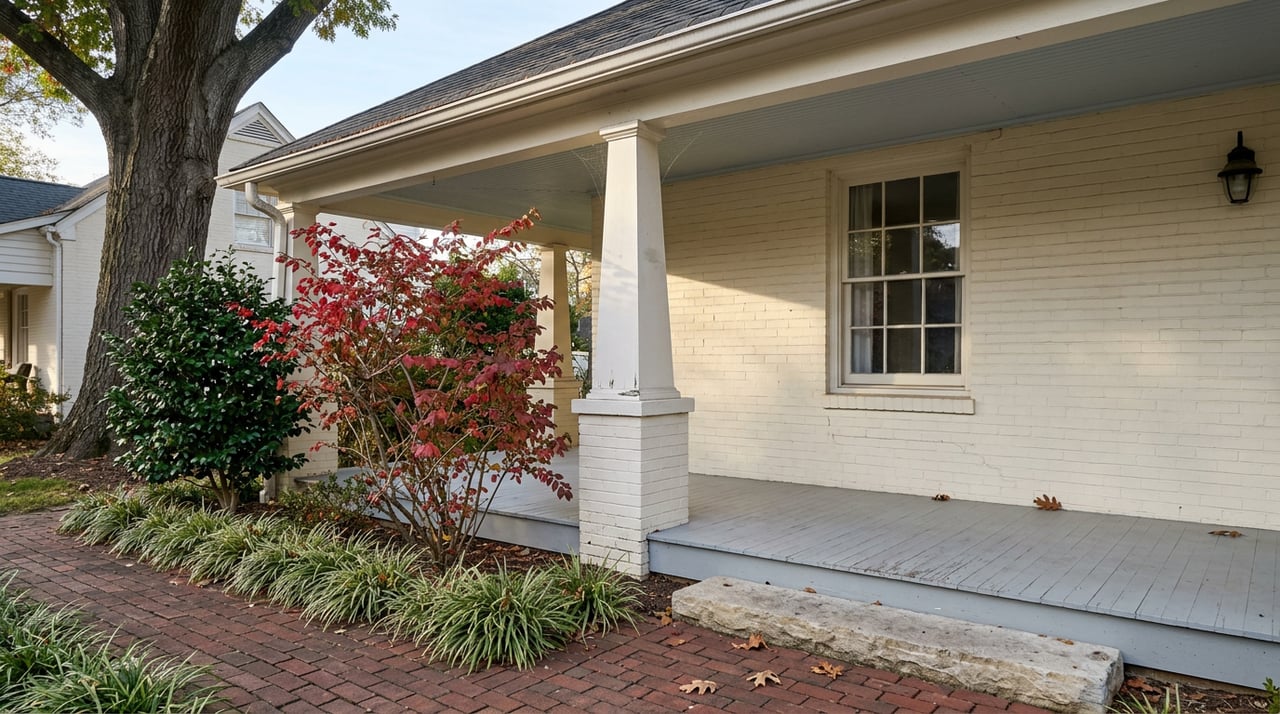
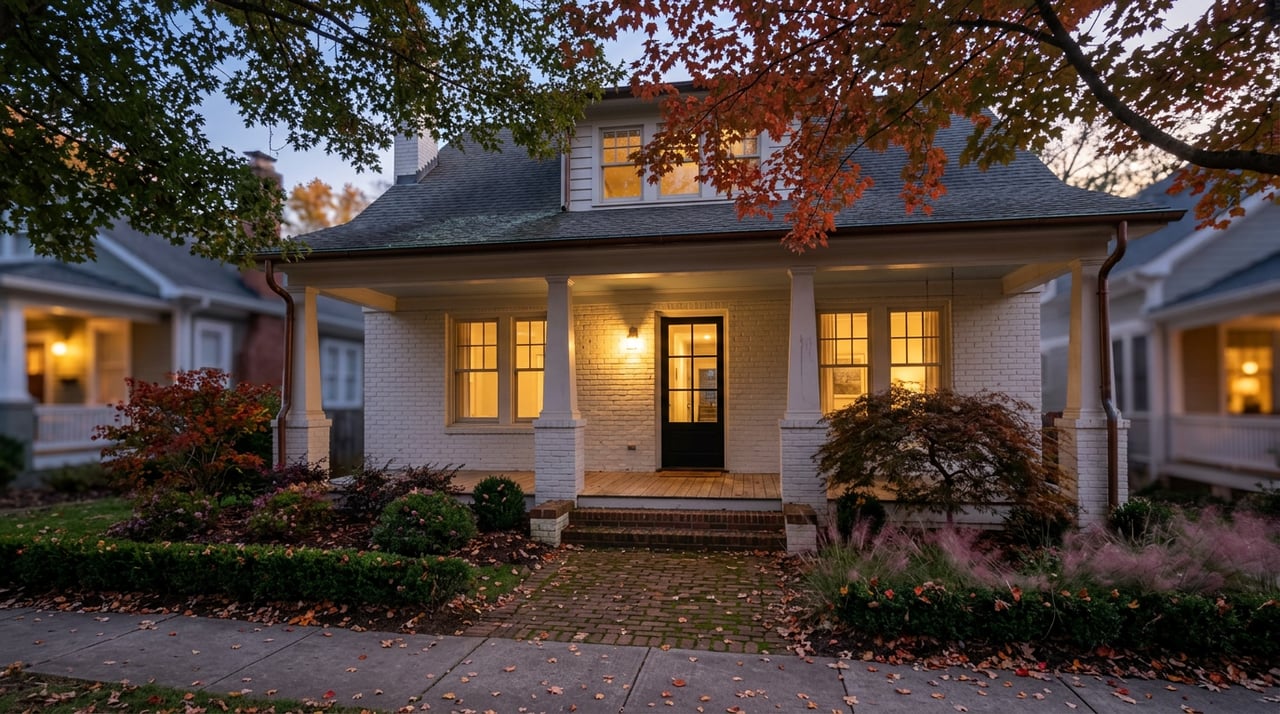
Walk down Clement Avenue or East 8th Street in Elizabeth and every visual cue tells you the neighborhood is protected. Century-old bungalows sit behind deep porches. Trees older than the houses lean over the sidewalk. The whole streetscape reads like a place where someone, somewhere, signed off on keeping it this way.
Nobody has. Not yet.
Elizabeth carries a National Register of Historic Places designation, and that label does real work for civic pride. It does not require a homeowner to ask anyone's permission before replacing a roof, swapping out original windows, or tearing down a porch. That kind of review only exists in a Local Historic District, and Elizabeth isn't one. A local advocacy group has spent six years trying to change that, and the outcome is still unsettled. If you're buying a house here with renovation plans, or getting one ready to list, that unsettled status is the detail worth understanding before you sign a contract with anyone, including a contractor.
The confusion is understandable because Charlotte already counted eight neighborhoods with Local Historic District status as of 2023: Dilworth, Fourth Ward, Hermitage Court, McCrorey Heights, Oaklawn Park, Plaza Midwood, Wesley Heights, and Wilmore. In those districts, exterior changes visible from the street go through the Charlotte Historic District Commission before a Certificate of Appropriateness clears the way for a building permit. Roofing material, siding, windows, porches, additions, fences facing the street: all of it gets a look.
Elizabeth sits outside that list. Its National Register status doesn't provide for the preservation or protection of architectural features unless a property receives federal funding, which for most private homeowners simply doesn't apply. In practice, that means a homeowner on Clement Avenue today can replace an original wood window with vinyl, repaint painted brick a different color, or reroof in a non-matching material without triggering any design review at all. The neighborhood looks like it has the same protections as Plaza Midwood two miles away. It doesn't.
The Historic Elizabeth Neighborhood Foundation, known locally as HENF, has been pushing to convert Elizabeth into a Local Historic District since 2020. The group commissioned historian Susan V. Mayer, a protégé of well-known Charlotte historian Tom Hanchett, to survey the neighborhood's buildings and classify them as contributing or non-contributing to a historic district. That survey became the center of the dispute. When HENF brought a designation report to the Historic District Commission in 2023 and again in a revised form in March 2024, the Elizabeth Community Association raised accuracy concerns, pointing out buildings still listed as contributing that had already been demolished, and structures marked green on the proposed boundary map when what remained on those lots no longer matched the description.
The Elizabeth Community Association itself has stayed neutral to opposed on the underlying question. The group voted not to support a Local Historic District designation in 2021, and that position hasn't changed. HENF has continued its effort, revising its report and pressing the Historic District Commission for a favorable recommendation.
HENF's president, Clifton Settlemyer, told Axios Charlotte in 2023 that he had lived in a 1905 house on Clement Avenue for nearly 30 years and had watched the neighborhood lose what he estimates at more than 200 structures with historical features since the late 1980s. His framing of the effort is direct:
"It's just a great neighborhood, and we want to try to keep it that way."
Former Charlotte mayor Jennifer Roberts, who has lived in a 1916 bungalow on Clement Avenue since 1993, makes a similar case for what's worth preserving: the front-porch culture that lets neighbors wave from the sidewalk, the handful of amenities within a short walk of home.
Neither sentiment answers the practical question a buyer needs answered, though: even if the designation eventually passes, nobody currently knows exactly which streets it would cover, or when a final vote might happen.
The path from proposal to enforceable district is longer than most first-time Elizabeth buyers expect, and every step so far has taken longer than HENF projected. Here's the sequence, based on the process description on file with the city and HENF's own account of where things stand:
Every one of those steps is still open. There's no scheduled council vote, no finalized boundary, and no confirmed timeline for when, or if, this resolves.
Here's the part that doesn't show up in a typical neighborhood guide. When a designation is pending but not final, it creates a specific incentive: do exterior work now, while there's still no review requirement, rather than risk needing Historic District Commission approval later. Public comments filed with the city in 2024 noted that many Elizabeth homeowners began renovation projects after HENF first announced its intentions in 2020, and some of those projects are the reason the contributing-building survey is already out of date. People aren't waiting to find out how this resolves. They're acting on the assumption that the window for unreviewed exterior changes might close, and that assumption is shaping the very inventory a buyer will tour this year.
A house that hasn't been touched carries more deferred maintenance risk on original materials.
For a seller, the calculus is about timing large exterior projects relative to a possible future review requirement, not about whether the work is a good idea. If you're planning a porch rebuild, a new roof, or an addition and you're inside the proposed boundary, doing that work under today's rules means no Certificate of Appropriateness, no design review meeting, no waiting on a commission calendar. Once you're inside an actual Local Historic District, as happened when Plaza Midwood and Dilworth were designated, that same project needs sign-off first.
| National Register status (Elizabeth today) | Local Historic District (proposed) | |
|---|---|---|
| Exterior renovation review | None required | Certificate of Appropriateness required for street-visible changes |
| Who enforces it | No enforcement mechanism for private homes | Charlotte Historic District Commission |
| Current status in Elizabeth | Active since prior designation | Under HDC review since 2023, no council vote scheduled |
Does this affect interior work? No. Review, if it comes, applies only to changes visible from the street.
How would I know if a specific address is inside the proposed boundary? The boundary itself has been part of the dispute and has shifted between HENF's 2023 and 2024 submissions. Anyone seriously considering exterior work should ask directly rather than assume based on a neighbor's experience, since the map has changed more than once.
Does this affect what I can list a house for right now? Not directly. There's no enforceable design review today. What it affects is planning: if you're weighing a renovation before selling, doing exterior work under today's rules is simpler than waiting.
Is HENF likely to succeed? That's not something this guide can predict. The process requires a signature threshold HENF hasn't reached and a City Council vote that hasn't been scheduled. What's certain is that the outcome remains open, and anyone with exterior renovation plans in Elizabeth right now is making decisions inside that uncertainty whether they realize it or not.
Elizabeth's charm was never in question. What's still unresolved is who gets a say in preserving it, and when that changes. If you're weighing a purchase, a sale, or a renovation timeline against that uncertainty, Jessica Grier can walk through what it means for the specific block and house you have in mind. Let's Connect.
This article is general information, not legal, tax or financial advice. Consult a qualified professional about your situation.

Decide What You Want From the Membership


Whether advising on an in-town estate, a new luxury build, or an investment opportunity, Jessica offers discretion, distinction, and results. Work with Jessica Today!