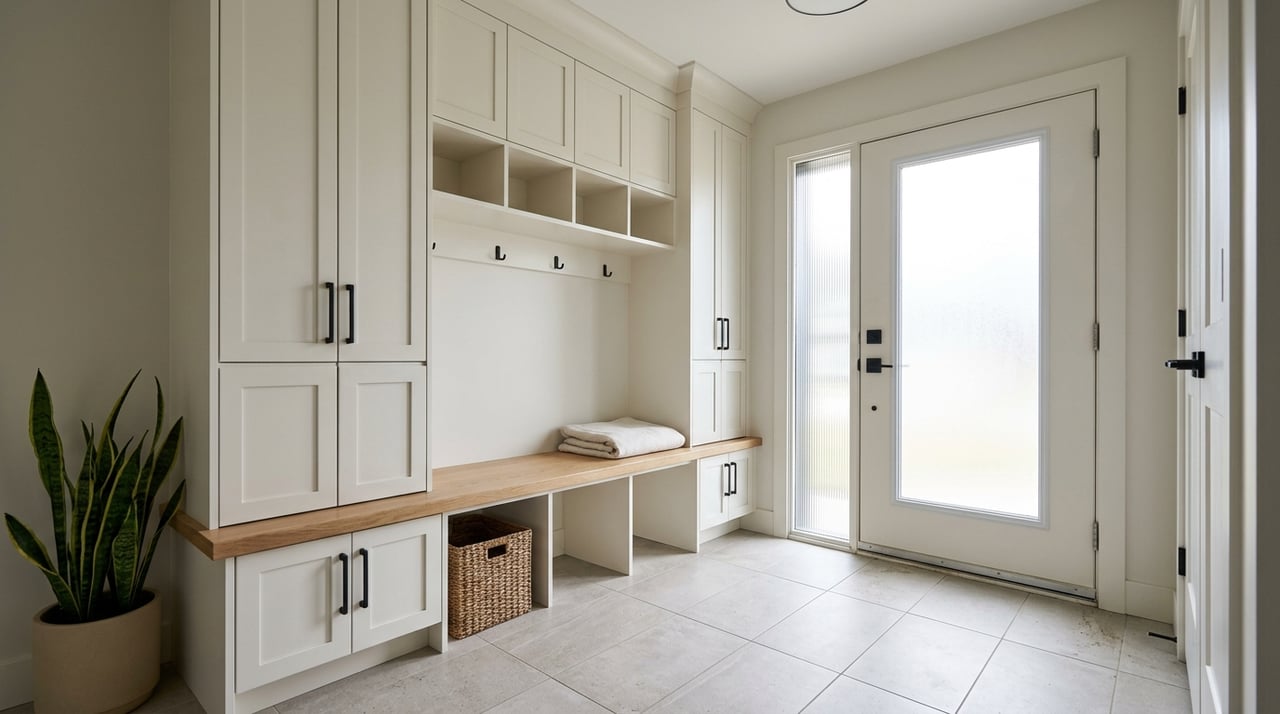
How To Prepare Your Chantilly Home For Today’s Buyers
July 9, 2026
July 9, 2026
Are you wondering whether your Chantilly home needs a full renovation to compete in today’s market? In most cases, it does not. What buyers want right now is a home that feels cared for, easy to understand, and ready to enjoy, especially in a neighborhood like Chantilly where character and condition both shape first impressions. This guide will help you focus on the updates, repairs, and presentation details that matter most so you can prepare strategically and list with confidence. Let’s dive in.
Chantilly has a distinct housing story. The neighborhood was originally platted in 1913, remained lightly developed into the 1930s, and was largely built out in the late 1930s and 1940s. That means many homes offer the charm and scale buyers love, but they can also invite closer scrutiny around upkeep, flow, and visible updates.
At the same time, Charlotte-area buyers have more choices than they did a few years ago. In May 2026, regional inventory reached 12,619 homes with 3.4 months of supply, which was the highest level since September 2016. Homes are still selling close to list price, but with more options on the market, presentation carries more weight.
For Chantilly sellers, that creates a simple takeaway: your home does not need to lose its personality, but it does need to feel polished. Buyers are often comparing older homes on condition, finish quality, and how confidently the property shows from the moment they arrive.
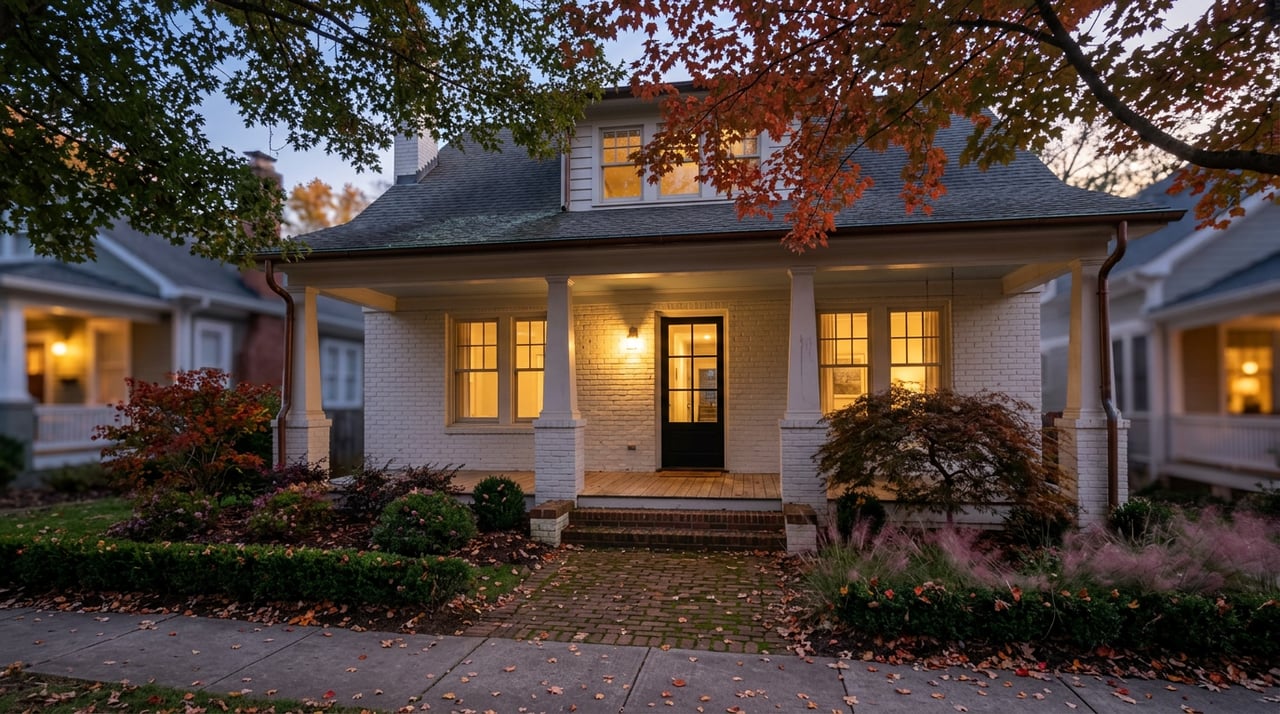
In Chantilly, buyers are often drawn to established architecture, mature trees, and a close-in Charlotte location. They are not necessarily expecting a brand-new house. They are looking for a home where the original scale and style still feel intact, while the condition feels reassuring.
That is why seller prep here works best when it balances charm with clarity. If a room has great light, let that light shine. If your home has thoughtful updates, make sure they feel cohesive. If there are visible maintenance issues, address them before buyers start wondering what else may have been overlooked.
Decluttering is one of the most important steps for older homes in Chantilly. Many homes in the neighborhood may have more segmented layouts than newer construction, so extra furniture and visual clutter can make rooms feel smaller and less connected.
Your goal is to help buyers understand the proportions of each room quickly. Clear surfaces, edited bookshelves, open walkways, and lighter styling can make a meaningful difference. When buyers can easily read the layout, they are more likely to focus on the home’s charm instead of its limits.
A helpful pre-list editing checklist includes:
In today’s market, the strongest pre-list spending is usually visible, confidence-building work rather than major reconfiguration. Buyers have more alternatives, and first impressions are shaped quickly. A home that feels fresh and move-in ready often performs better than one with ambitious but unfinished ideas.
The best updates are the ones buyers notice right away without changing the home’s footprint. In many Chantilly homes, that means focusing on consistency, cleanliness, and a more current presentation.
Consider these high-impact improvements:
These are not dramatic changes, but they can shift the entire tone of a showing. They help buyers feel that the home has been maintained, which matters even more in an older neighborhood.
One of the most common seller questions is what to fix before listing and what to leave alone. In Chantilly, it often makes sense to prioritize anything that could create doubt about the home’s overall condition.
Visible deferred maintenance tends to have an outsized effect on buyer confidence. Even small problems can lead buyers to assume larger hidden issues may exist, especially when they are already comparing multiple homes in Mecklenburg County’s active mid- and upper-price ranges.
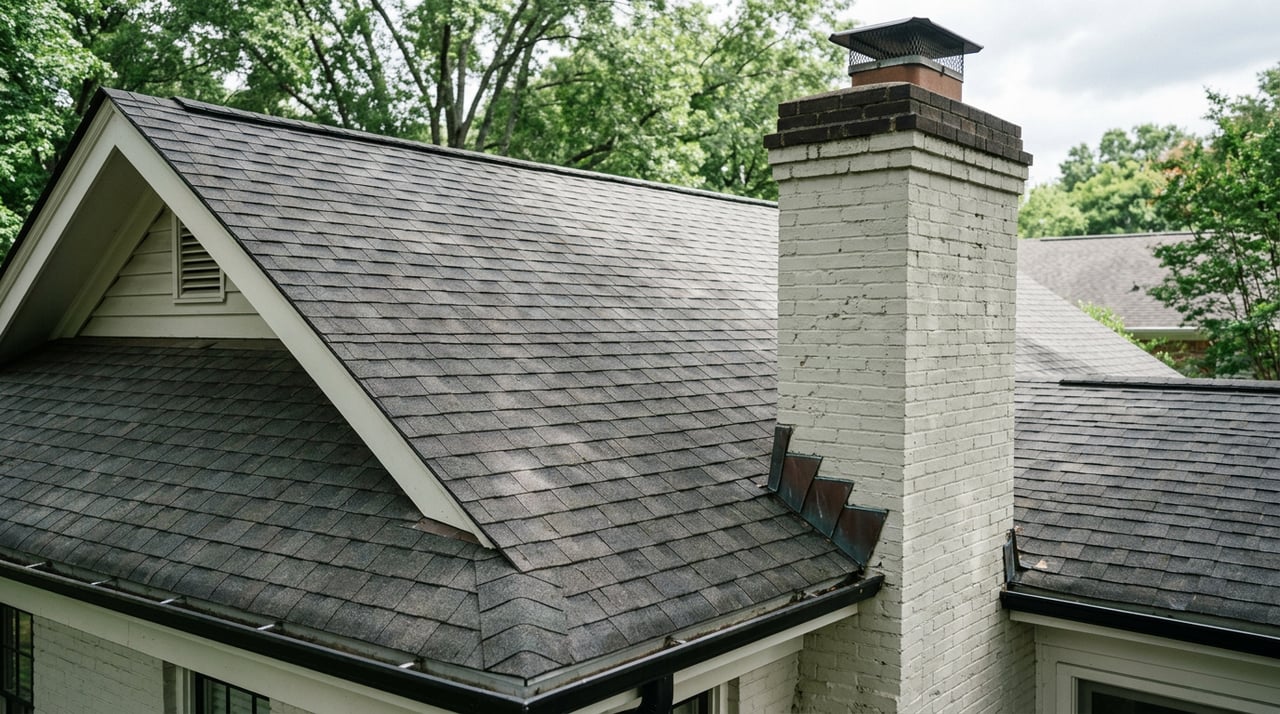
Before listing, pay close attention to:
The goal is not to make every component new. The goal is to remove the issues that distract buyers, slow negotiations, or invite lower offers.
For many Chantilly sellers, a pre-list inspection is a smart step. North Carolina standards make clear that a home inspection is visual and limited to readily visible and accessible installed systems. Inspectors review structural components, exterior and roofing, plumbing, electrical, heating, interiors, insulation and ventilation, and built-in kitchen appliances.
That scope matters in an older home. A pre-list inspection can help you identify concerns before a buyer does, which gives you more control over timing, repair decisions, and pricing strategy.
If the general inspection points to a known risk area, it may also make sense to bring in the right specialist. Because the standard inspection is not technically exhaustive, specialist follow-up can be useful when there are concerns about moisture, roofing, electrical systems, or HVAC performance.
If you are planning exterior work or larger upgrades before listing, permit due diligence matters. Charlotte’s permitting process can apply to projects such as additions, decks, pools, retaining walls, solar panels, docks or piers, and accessory structures over 12 feet.
There are also street-facing fence and wall rules to keep in mind. The city requires a no-cost CDOT certificate for fences or walls that face a city street. If you are improving curb appeal, it is wise to verify whether the work you are considering needs zoning or permit review before you begin.
This is one reason smaller, presentation-focused updates are often the better pre-list choice. Cleaning up landscaping, refreshing paint, repairing steps, and improving usability usually support marketability without creating unnecessary project risk.
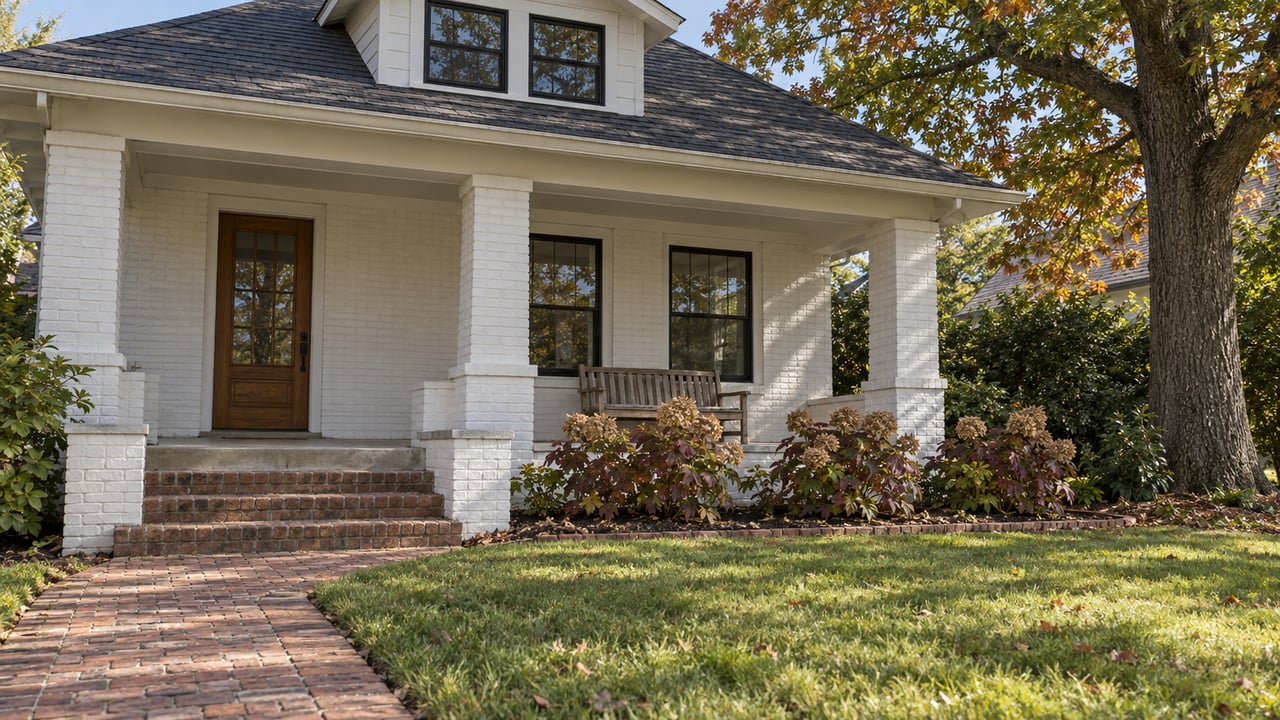
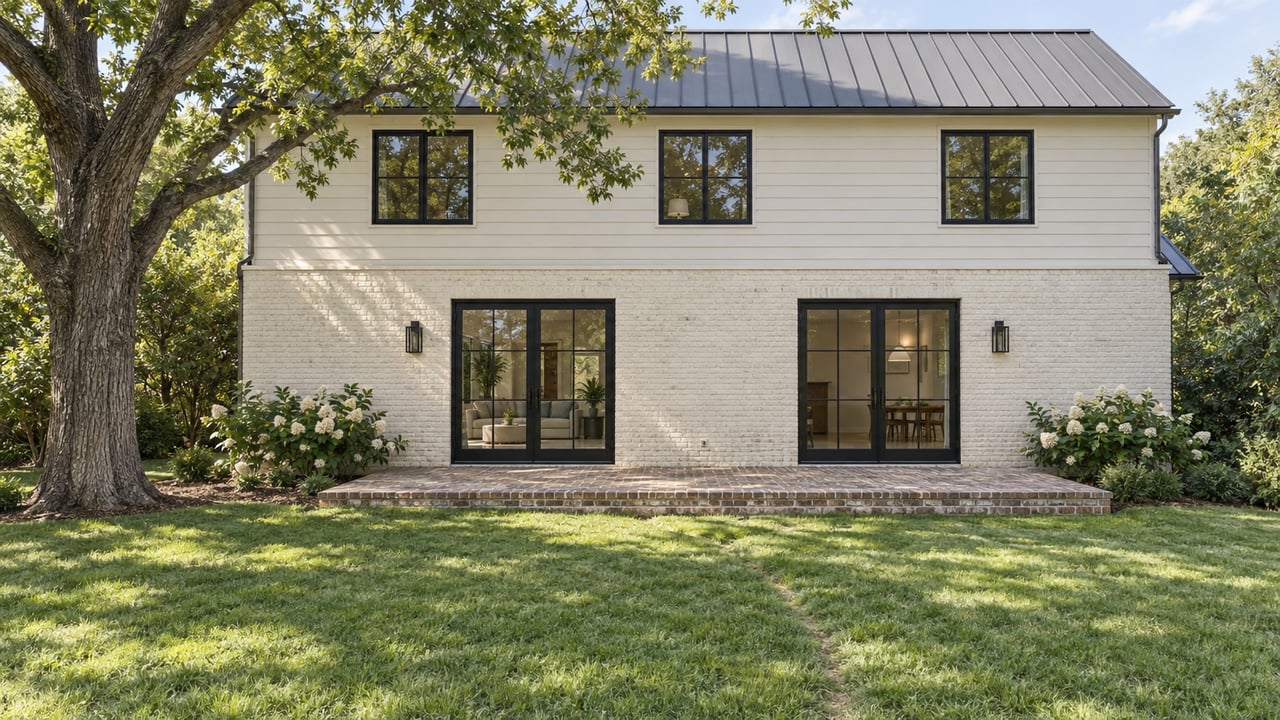
Outdoor presentation matters in Chantilly. Mature trees and established landscaping are part of the neighborhood’s appeal, and Charlotte treats tree canopy as a citywide asset with preservation requirements that protect trees in the public right-of-way and on private property.
For sellers, that supports a simple strategy: maintain and highlight outdoor space rather than overbuilding it. Buyers respond well to yards and patios that feel tidy, shaded, and easy to enjoy.
Focus on practical improvements such as:
In a neighborhood known for established homes and greenery, a calm, well-kept exterior can strengthen the entire showing experience.
Parking may not be the first thing sellers think about, but it shapes buyer perception in close-in Charlotte neighborhoods. The city manages on-street parking in parts of Charlotte and maintains residential parking permit programs in some neighborhoods, so buyers often pay attention to driveway access, guest parking, and how easy the home feels to approach.
If your home has off-street parking, make it obvious. Keep the driveway clear, present any parking pad neatly, and avoid using exterior areas for overflow storage. If street parking is part of daily life, make sure the front approach still feels orderly and welcoming.
Arrival matters because it sets the tone before buyers even reach the front door. A clean curb line, visible entry path, and easy sense of access can make the home feel more functional from the start.
If you are deciding where to spend before listing, resist the urge to do everything. In a market where buyers have more inventory to compare, the best return often comes from improvements that create confidence and improve the showing experience.
A simple decision framework can help:
This approach protects your budget while keeping attention on what actually helps your home stand out.
Selling in Chantilly is not the same as selling a brand-new home in an outer suburb. Buyers often come here for location, architectural character, and established surroundings, but they still want reassurance that the home has been thoughtfully maintained.
That is where a tailored prep plan matters. The right strategy is usually not about stripping away personality or chasing every trend. It is about presenting the home in a way that feels polished, grounded, and easy for today’s buyer to trust.
If you are preparing to sell in Chantilly, thoughtful guidance can help you decide what to improve, what to leave, and how to position the home for the strongest possible response. To plan your next steps with a calm, design-aware approach, connect with Jessica Grier.

Decide What You Want From the Membership


Whether advising on an in-town estate, a new luxury build, or an investment opportunity, Jessica offers discretion, distinction, and results. Work with Jessica Today!